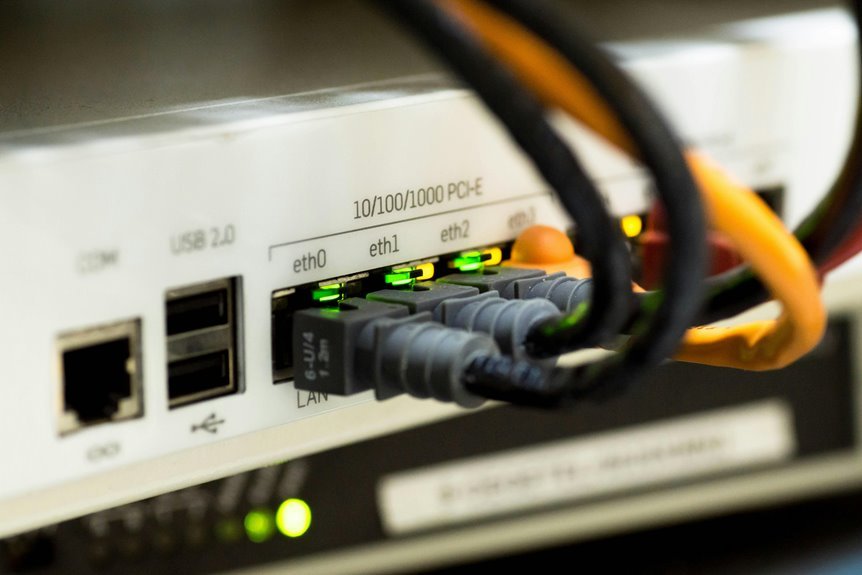
Smart Digital Network 605264608 for Stability presents an adaptive, data-driven framework for real-time health visibility and fault isolation. It emphasizes measurable latency targets, modular deployments, and automated validation to bolster resilience. Governance and security are integral, enabling transparent decision-making across domains. By combining proactive capacity planning with adaptive routing, it offers a stable baseline for dynamic environments. The approach invites scrutiny of practical tradeoffs as adoption considerations unfold.
What Is Smart Digital Network 605264608 for Stability?
Smart Digital Network 605264608 refers to an integrated digital infrastructure designed to enhance system stability through real-time data exchange, fault isolation, and predictive maintenance.
The framework emphasizes data governance across domains, building fault tolerance and resilience.
It enables scalable operations, aligning infrastructure growth with performance metrics, risk controls, and standardized processes, supporting freedom-driven decision making and transparent accountability within complex, interconnected environments.
How Real-Time Data Drives Resilience in SDN 605264608
Real-time data feeds are the backbone of resilience in SDN 605264608, enabling continuous visibility into system health and performance. This visibility supports rapid fault isolation, adaptive routing, and proactive capacity planning. Data privacy considerations shape data collection boundaries, while fault tolerance metrics guide automated remediation. The result is a disciplined, data-driven approach that sustains uptime and stakeholder confidence amid dynamic network conditions.
Designing Secure, Adaptive Communication for Stability
Designing secure, adaptive communication for stability centers on selecting protocols and mechanisms that balance robustness with performance. The analysis emphasizes transparent governance, rigorous security audit practices, and measurable latency targets under diverse loads. Adaptive routing emerges as a core capability, enabling dynamic path selection while preserving policy integrity. Data-driven benchmarks guide decisions, aligning resilience objectives with operational freedom and scalable, network-wide stability benefits.
Practical Frameworks to Implement SDN 605264608 for Long-Term Reliability
Practical frameworks for implementing SDN 605264608 focus on modular, repeatable deployments that emphasize long-term reliability through standardized control planes, automated validation, and continuous telemetry.
The approach integrates risk assessment, change management, and redundancy planning to reduce drift and failure points.
Cyber resilience informs incident response protocols, while data-driven governance ensures scalable, auditable upgrades adaptable to evolving regulatory and market demands.
Freedom-aware: measured, disciplined progress.
Conclusion
The Smart Digital Network 605264608 for Stability represents a data-driven approach that normalizes real-time visibility, fault isolation, and predictive maintenance across domains. Its modular deployments and automated validation underpin repeatable success while governance and security practices curb risk. In essence, it functions like a high-precision metronome for complex systems—steady, synchronized, and resilient even under stress. The framework’s emphasis on capacity planning and adaptive routing offers actionable paths to durable, long-term reliability in dynamic environments.