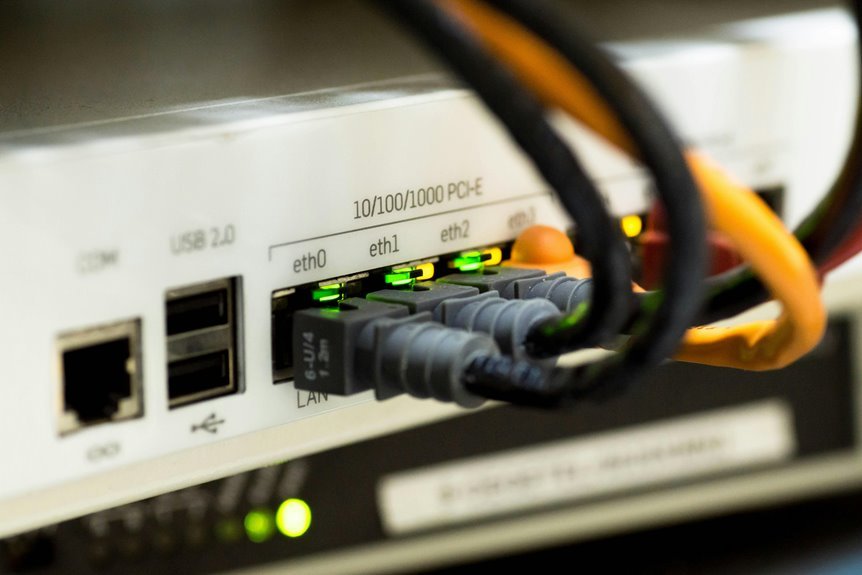
The Reliable Web Network 923246650 integrates real-time monitoring, adaptive routing, and continuous threat detection to sustain peak performance. Its approach emphasizes latency transparency, data-driven diagnostics, and rapid fault isolation. By identifying transient bottlenecks and sustained shifts, it guides targeted optimizations and resilient routing decisions. The framework offers KPI-driven insights and proactive hardening, yet its practical implications for steady availability invite careful examination and ongoing assessment. The next considerations will define the path forward.
Real-Time Monitoring: Detecting Issues Before They Impact Users
Real-Time Monitoring enables continuous visibility into network behavior, allowing operators to identify anomalies as they emerge. The approach emphasizes latency transparency, enabling precise measurement of delays across segments and applications. Data-driven diagnostics reveal transient bottlenecks and sustained shifts, guiding targeted optimizations. With routing resilience in mind, the system sustains steady performance under variable conditions, supporting proactive, informed decisions and reduced user impact.
Adaptive Routing and Failover: Keeping Pages Fast Under Load
Adaptive routing and failover mechanisms enable pages to remain responsive under varying load by dynamically selecting optimal paths and initiating rapid failover when degraded performance is detected.
The approach analyzes traffic patterns, applies failover strategies, and leverages real time monitoring to sustain throughput.
KPI measurement informs practical validation, while threat detection informs security posture, ensuring resilient, autonomous, freedom-oriented network performance.
Threat Detection and Security Posture for Continuous Availability
Threat detection and security posture are assessed through continuous monitoring, correlation of event data, and standardized risk scoring to ensure uninterrupted availability.
The approach integrates threat intelligence feeds and anomaly detection to identify subtle deviations from baseline activity.
Analytical workflows prioritize rapid containment, documented incident timelines, and proactive hardening, emphasizing resilience, transparency, and freedom to operate within a robust, auditable security posture.
Measuring Stability: KPIs and Practical Validation Methods
Measuring stability requires a structured framework of KPIs and validation methods that objectively reflect system resilience and operational continuity. The analysis identifies latency benchmarking as a core metric, quantifying response times under typical and peak loads. Anomaly detection complements this by signaling deviations from expected patterns, enabling rapid verification of stability assumptions and informed remediation decisions with repeatable procedures.
Conclusion
The framework demonstrates how real-time monitoring, adaptive routing, and proactive threat detection converge to sustain uptime under diverse conditions. By translating latency into actionable metrics and validating KPIs through repeatable tests, it enables disciplined optimization rather than reactive fixes. With standardized risk scoring guiding security posture, operations remain resilient during traffic surges and failures. In short, the system keeps sites humming by smoothing the rough edges of variability, leaving stakeholders seeing the forest for the trees. Eyes on the prize.