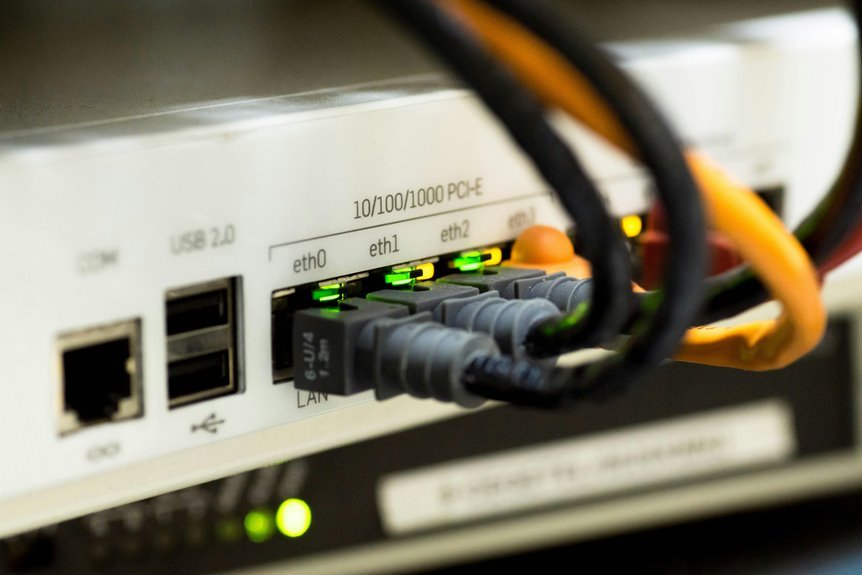
Smart Online Network 693123566 for Stability represents a structured approach to resilience in interconnected systems. It blends automation with real-time analytics and secure data orchestration. The framework emphasizes proactive monitoring, rapid containment, and governance-aligned controls. Security analytics and data integrity underpin ongoing operation under stress. Its disciplined methodology invites scrutiny of fault tolerance and remediation, offering a stable baseline while inviting further examination of how each component interplays under pressure.
What Is Smart Online Network 693123566 for Stability
Smart Online Network 693123566 for Stability refers to a structured digital framework designed to enhance resilience and reliability within interconnected systems. It manifests as an analytical model prioritizing security analytics and proactive monitoring, enabling swift threat detection and containment. The approach fosters network resilience by aligning governance, data integrity, and responsive controls, ensuring continuous operation and freedom to innovate without compromising security or stability.
Core Technologies That Empower Stability and Resilience
Core technologies that empower stability and resilience combine robust automation, real-time analytics, and secure data orchestration to sustain operations under stress. This analysis identifies data governance and fault tolerance as foundational pillars, ensuring accountability, consistency, and rapid recovery. Meticulous design minimizes drift, reinforces interfaces, and enables proactive remediation, while preserving freedom of choice and adaptability across diverse, dynamic environments.
Real-World Use Cases: Uptime, Security, and Collaboration
Real-world deployments demonstrate how uptime, security, and collaboration intersect to sustain operations under pressure: uptime strategies reduce time-to-detect and time-to-recover, security controls enforce continuous compliance without impeding performance, and collaborative workflows synchronize disparate teams and systems to maintain steady state.
Stable latency, Fault tolerance, User collaboration, Security hardening guide disciplined responses, preserving resilience while enabling freedom to adapt, innovate, and endure.
Deployment Best Practices for Reliable Performance
Deployment best practices for reliable performance build on established uptime, security, and collaboration patterns to ensure stable operation in production.
The analysis identifies streamlining deployment as a core facilitator, reducing friction and error potential. It emphasizes fault tolerant orchestration, automated rollback, and continuous verification to sustain resilience, transparency, and freedom of iteration across teams and environments without compromising safety or performance.
Conclusion
In sum, Smart Online Network 693123566 for Stability demonstrates how integrated automation, real-time analytics, and secure data orchestration yield resilient operations under pressure. Its governance-aligned, fault-tolerant design supports proactive remediation and rapid containment, preserving uptime across environments. While challenges in orchestration and data integrity persist, disciplined security responses and continuous improvement drive dependable performance. As the adage goes, “a stitch in time saves nine,” underscoring the value of proactive measures for lasting stability.